Imagine living in a world where your home becomes an intelligent companion, anticipating your needs and effortlessly adapting to your preferences. With Smart Home Automation for Accessibility, this futuristic vision turns into reality. This groundbreaking technology revolutionizes the way we interact with our living spaces, enhancing comfort and convenience like never before. From voice-controlled lighting and temperature adjustments to automated door locks and security systems, the possibilities are endless. Discover how Smart Home Automation for Accessibility empowers you to create a home that not only meets your unique needs but also provides a seamless and intuitive living experience.
Voice Control
Smart home automation systems offer the ultimate convenience by allowing you to control various aspects of your home with just your voice. This hands-free operation means you can control your lights, thermostat, appliances, and more without having to manually interact with any devices. This is particularly beneficial for individuals with limited mobility, as it eliminates the need to physically operate switches or buttons.
One of the key features of smart home automation systems is their integration with virtual assistants such as Amazon Alexa, Google Assistant, or Apple Siri. These virtual assistants act as the central hub for controlling your smart home devices. With a simple voice command, you can instruct your virtual assistant to turn on/off lights, adjust the thermostat, play music, and much more. This seamless integration enhances the overall user experience and makes managing your smart home even easier.
Smart Lighting
Smart lighting is a game-changer when it comes to enhancing accessibility within your home. With automatic lighting control, you can set up your lights to turn on or off based on specific triggers, such as motion detection or the time of day. This eliminates the need to manually operate light switches, making it incredibly convenient, especially for individuals with mobility issues or visual impairments.
Furthermore, smart lighting systems can offer adaptive lighting for visually impaired individuals. These systems can be programmed to provide a different color or intensity of light to indicate specific events or conditions. For example, a smart lighting system can flash a bright red light in case of an alarm or light up the hallway in a dim blue light for nighttime navigation. These adaptive lighting features greatly enhance safety and accessibility throughout your home.
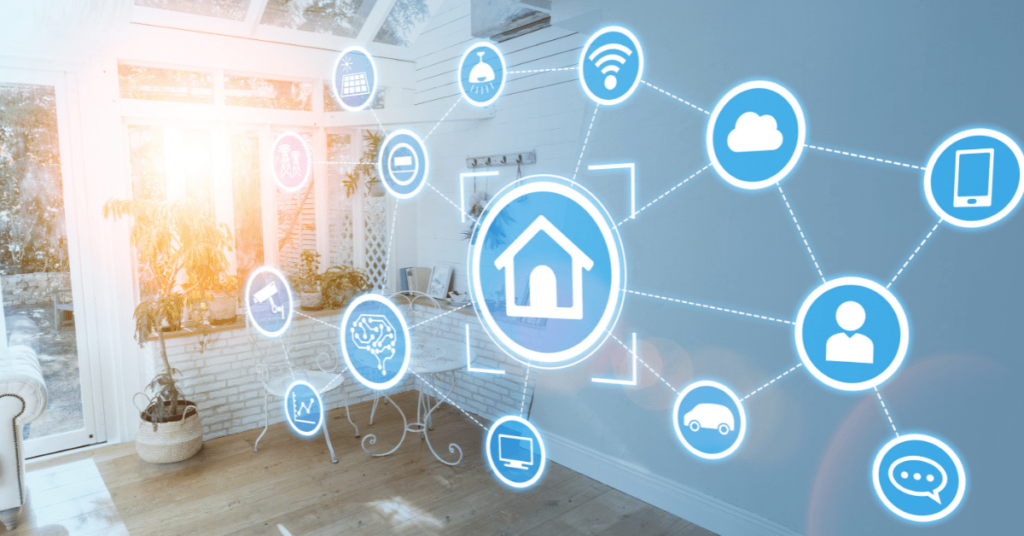
Smart Thermostat
Controlling the temperature of your home has never been easier with smart thermostats. These devices allow you to adjust the temperature with ease, simply by using your voice or a smartphone app. This is particularly beneficial for individuals with limited dexterity or mobility, as it eliminates the need to manually operate a thermostat.
In addition to the convenience factor, smart thermostats offer significant energy efficiency benefits. They can learn your daily routine and adjust the temperature accordingly, ensuring optimal comfort while minimizing energy consumption. For example, if you have a regular schedule of leaving the house at a certain time, the smart thermostat can automatically lower the temperature to save energy during your absence. This not only reduces your carbon footprint but also saves you money on your energy bills.
Home Security
Smart home automation systems provide advanced security features that go beyond traditional home security systems. With remote monitoring and control, you can keep an eye on your home from anywhere in the world using your smartphone or tablet. This feature is particularly beneficial for individuals with mobility limitations or those who travel frequently, as it allows them to monitor their home and ensure its safety without being physically present.
In addition to remote monitoring, smart home security systems offer enhanced safety features. These can include motion sensors, door/window sensors, and cameras with real-time video streaming. These features not only provide an additional layer of security but also offer peace of mind, knowing that your home is protected at all times. Whether it’s receiving instant notifications when someone enters your property or being able to remotely lock/unlock doors, smart home security systems offer convenience and accessibility like no other.

Smart Appliances
Gone are the days of manually operating your appliances. With smart home automation, you can remotely control and monitor your appliances with ease. Whether it’s turning on your coffee maker from bed or checking if you left the oven on while you’re out of the house, smart appliances offer unparalleled convenience and accessibility.
Remote operation and monitoring allow you to have complete control over your appliances from anywhere in the world. Forgot to turn off the iron? No problem. Simply access the app on your smartphone and turn it off remotely. This saves you time and energy, as you no longer need to worry about rushing back home to check on your appliances.
Smart appliances also offer personalized settings and notifications. For example, your smart dishwasher can learn your preferred wash cycle and automatically adjust its settings accordingly. Additionally, it can send you notifications when the cycle is complete or if it requires maintenance. These personalized features not only enhance convenience but also ensure that your appliances are always working optimally.
Assistive Technology Integration
Smart home automation systems seamlessly integrate with assistive devices, making your home even more accessible. Whether you use a wheelchair, have visual impairments, or require other assistive technologies, smart home automation can be customized to cater to your specific needs.
By integrating with assistive devices, such as voice-controlled systems or smart wearables, you can control various aspects of your home through alternative interfaces. For example, if you have limited hand dexterity, you can use a voice-controlled system to operate lights, adjust the thermostat, or even lock/unlock doors. This level of customization ensures that your home automation system works in harmony with your assistive technologies, providing you with the utmost comfort and convenience.
Accessibility features and customizations are another key aspect of smart home automation. These features can include adjustable font sizes and contrast levels on smart displays, tactile indicators for buttons and switches, or even voice-guided navigation for visually impaired individuals. With these customizations, smart home automation systems become truly inclusive and accessible for everyone.

Smart Entertainment Systems
Smart home automation extends to your entertainment systems, elevating your home entertainment experience to new heights. With audio/video control, you can use voice commands to play your favorite music, adjust the volume, or control your TV. This hands-free operation eliminates the need to locate and operate various remotes or navigate through complicated menus.
In addition to voice control, smart entertainment systems offer personalized accessibility enhancements. For example, individuals with visual impairments can benefit from audio descriptions of TV shows or movies, providing a more immersive and enjoyable experience. Similarly, closed captioning and subtitles can be enabled for individuals with hearing impairments. These personalized enhancements ensure that everyone can enjoy their favorite entertainment content without any barriers.
Emergency Assistance
Smart home automation systems provide quick access to emergency services, ensuring your safety and well-being. In case of an emergency, such as a fire or medical situation, you can easily call for help with a simple voice command or by pressing a designated panic button. This immediate access can be crucial, especially for individuals with mobility or communication limitations.
Furthermore, smart home automation systems can integrate with medical alert devices, providing an added layer of security. These devices can detect falls or other medical emergencies and automatically alert emergency services or designated contacts. This feature is particularly beneficial for individuals who live alone or are at a higher risk of accidents or health issues.
Smart Home Automation Hubs
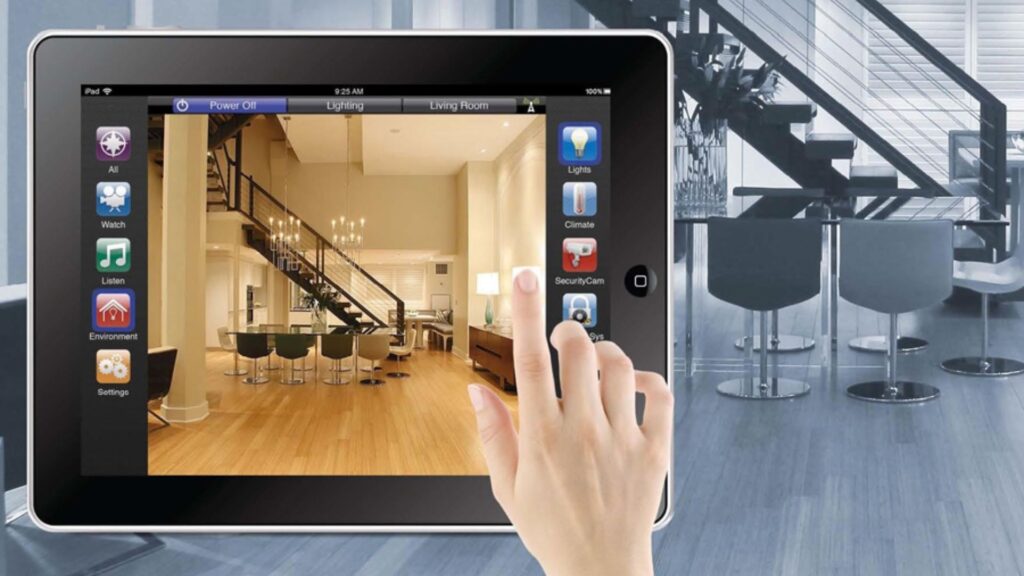
Centralized control and management are essential for a seamless smart home automation experience. Smart home automation hubs act as the brain of your system, allowing you to connect and control all your smart devices from a single interface. This eliminates the need for multiple apps or controls, simplifying the overall user experience.
Compatibility and expandability are important factors to consider when choosing a smart home automation hub. The hub should be compatible with a wide range of smart devices and protocols, ensuring that you can integrate all your existing and future devices into your smart home ecosystem. Additionally, the hub should offer the ability to expand the system as your needs evolve, allowing you to add new devices or functionalities without any hassle.
Professional Installation and Support
While DIY smart home automation systems are available, professional installation and support offer several advantages. Expert guidance during the customization of your automation system ensures that you make the most out of your devices and maximize your accessibility. Professionals can help you identify the best placement for sensors, optimize settings for energy efficiency, and ensure seamless integration with your existing infrastructure.
Furthermore, 24/7 technical support and troubleshooting are crucial for maintaining the functionality of your smart home automation system. In case of any issues or questions, having a dedicated support team ensures that you receive prompt assistance and minimize downtime. This level of support and guidance gives you the peace of mind that your smart home automation system is always up and running smoothly.
In conclusion, smart home automation offers a wide range of accessibility benefits that enhance comfort and convenience in your daily life. From hands-free voice control and adaptive lighting to personalized settings and emergency assistance, these systems make your home more accessible for individuals with mobility limitations or impairments. By seamlessly integrating with assistive technologies and offering customization options, smart home automation ensures that everyone can enjoy the benefits of a connected home. With professional installation and support, you can customize and maintain your automation system with expert guidance, giving you peace of mind and a truly accessible home.