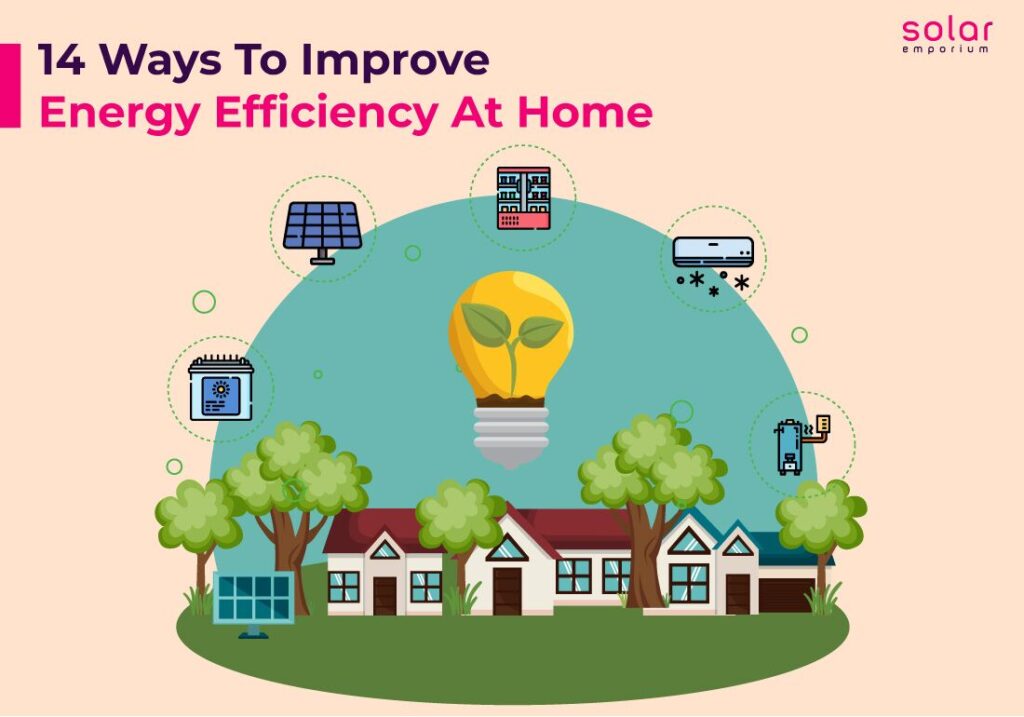
Are you looking to reduce your energy consumption and save money on your utility bills? Look no further – this article will provide you with practical tips on how to improve energy efficiency in your home. By making simple changes and implementing energy-saving habits, you can make your home more environmentally friendly and cost-effective. From insulating your windows and doors to upgrading your appliances, we will guide you through various ways to enhance your home’s energy efficiency. So, let’s get started and take the first step towards a greener, more economical home!
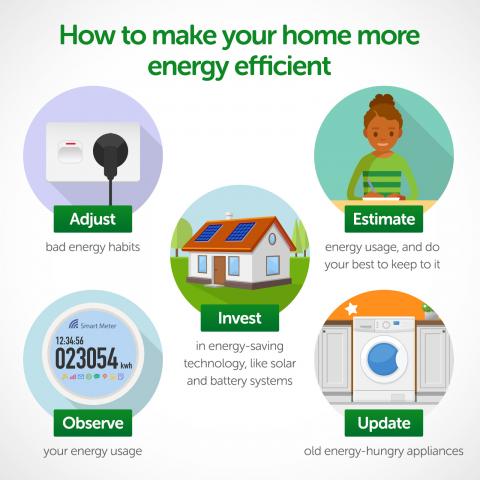
Insulate your home
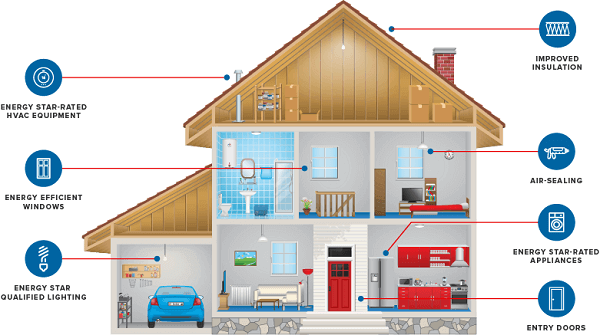
Insulating your home is one of the most effective ways to improve energy efficiency and reduce heating and cooling costs. By properly insulating your home, you can keep the desired temperature inside and prevent the outer weather conditions from affecting it. Here are some key areas in your home that you should focus on insulating:
Seal air leaks
Air leaks are one of the main culprits when it comes to energy loss in homes. These leaks can occur around windows, doors, electrical outlets, and even through cracks in the walls. By sealing these air leaks, you can prevent cold drafts in the winter and hot air from entering your home in the summer. Simple measures like caulking and weatherstripping can go a long way in reducing air leakage.
Upgrade insulation
If your home is older or has insufficient insulation, upgrading the insulation can greatly improve energy efficiency. Insulation acts as a barrier, reducing heat transfer between the inside and outside of your home. The most common types of insulation include fiberglass batts, blown-in cellulose, and spray foam insulation. Adding insulation to your walls, floors, and attic can significantly decrease heat loss and make your home more comfortable year-round.
Insulate the attic
Heat naturally rises, which means a poorly insulated attic can be a major source of energy loss. Insulating your attic is a cost-effective way to improve energy efficiency and keep your home comfortable. Adding insulation to the attic floor and sealing any openings or gaps can reduce heat transfer from the living space below to the attic. This can prevent heat from escaping and keeps your home warmer in the winter and cooler in the summer.
Insulate the walls
Insulating the walls of your home can have a significant impact on energy efficiency. While adding insulation to existing walls can be a more involved process, it is worth considering if your home is not well insulated or if you are planning a renovation project. Different insulation materials and methods can be used depending on the construction of your walls. This can improve thermal resistance and reduce heat loss, making your home more energy-efficient.
Insulate the floors
Insulating the floors can help regulate the temperature in your home and reduce energy consumption. This is particularly important for homes with crawl spaces or unfinished basements. By insulating the floors, you can prevent cold air from seeping into your living space, enhancing the comfort of your home. Insulating the floors is relatively simple and can be done using insulation materials such as rigid foam boards or fiberglass batts.
Insulate the basement
A well-insulated basement can make a significant difference in energy efficiency, especially if you use the space as living quarters or a recreational area. Insulating the walls and ceiling of your basement can help retain heat, prevent moisture buildup, and make the space more comfortable. Consider using insulation materials such as spray foam or rigid foam boards to effectively insulate your basement and maximize energy savings.
Upgrade your windows and doors
Windows and doors are significant areas of heat loss in homes. By upgrading these components, you can improve energy efficiency and reduce heating and cooling costs. Here are some steps you can take to upgrade your windows and doors:
Replace old windows
Old windows can be a major source of energy loss as they tend to be less effective in keeping out cold drafts and heat. Consider replacing your old windows with energy-efficient ones. Look for windows with a low U-value and a high R-value, as these indicate better insulation properties. Double-pane or triple-pane windows can also provide additional insulation benefits.
Install double-glazed windows
Double-glazed windows are an excellent investment when it comes to energy efficiency. These windows have two panes of glass separated by a layer of gas, such as argon or krypton. This gas acts as an insulator, reducing heat transfer between the interior and exterior of your home. Double-glazed windows can significantly reduce energy loss, noise transmission, and condensation buildup.
Add weatherstripping
Weatherstripping is a simple and cost-effective way to improve the energy efficiency of your doors and windows. Weatherstrips, made of materials like felt, foam, or rubber, can be applied to the edges of doors and windows to form a seal and prevent air leaks. By properly weatherstripping your doors and windows, you can reduce drafts, keep your home comfortable, and lower your energy bills.
Use draft stoppers
Draft stoppers, also known as door snakes, can be placed along the bottom of doors to prevent cold air from entering your home. These cylindrical fabric tubes filled with insulating material can block drafts and help maintain a consistent room temperature. Draft stoppers are affordable, easy to use, and can make a noticeable difference in energy efficiency.
Upgrade exterior doors
Exterior doors are often subjected to harsh weather conditions, which can lead to energy loss and drafts. If your exterior doors are old or poorly insulated, consider upgrading to energy-efficient models. Look for doors with weatherstripping, insulation cores, and a tight fit to minimize air leaks. Fiberglass or metal doors tend to provide better insulation compared to wood doors.
Optimize your heating and cooling systems
Heating and cooling systems are major energy consumers in homes. By optimizing these systems, you can improve energy efficiency and reduce your energy bills. Here are some steps you can take to optimize your heating and cooling systems:
Get a programmable thermostat
A programmable thermostat allows you to schedule temperature adjustments according to your daily routine. By setting lower temperatures when you are away or sleeping and higher temperatures when you are active or at home, you can save energy. Programmable thermostats also give you the flexibility to adjust settings remotely, which can be particularly useful when you are away from home.
Schedule regular maintenance
Regular maintenance is crucial for the efficient operation of your heating and cooling systems. Schedule professional inspections and tune-ups at least once a year to ensure optimal performance. This can include cleaning coils, replacing filters, checking for leaks, and calibrating thermostats. Proper maintenance can improve system efficiency, extend the lifespan of your equipment, and prevent costly breakdowns.
Clean or replace air filters
Dirty or clogged air filters can restrict the airflow in your heating and cooling systems, making them work harder and consume more energy. Regularly clean or replace air filters to ensure proper ventilation and improve energy efficiency. Check the manufacturer’s recommendations on how often to clean or replace the filters, as this can vary depending on the system and usage.
Seal ductwork
Leaky ducts can result in significant energy loss as heated or cooled air escapes into unconditioned areas of your home. Sealing the ductwork can prevent this air loss and improve system performance. Inspect the ducts for leaks and seal them using specialized tapes or sealants. Consider hiring a professional to conduct a ductwork inspection and ensure proper sealing.
Insulate ducts
In addition to sealing ducts, insulating them can further improve energy efficiency. Uninsulated or poorly insulated ducts can lose a significant amount of heated or cooled air, reducing the effectiveness of your HVAC system. Insulating the ducts can help maintain the desired temperature and reduce energy waste. Use insulation material appropriate for your ducts’ location and consult a professional for guidance if needed.
Switch to energy-efficient lighting
Lighting is another area where you can make significant energy savings by switching to more energy-efficient options. Consider the following steps to optimize your lighting and reduce energy consumption:
Replace traditional bulbs with LED bulbs
LED bulbs are highly efficient and consume significantly less energy than traditional incandescent bulbs. They also last much longer, which means fewer bulb replacements. LED bulbs are available in various shapes, colors, and wattages, making it easy to find suitable options for your lighting needs. By replacing your traditional bulbs with LED bulbs, you can save both energy and money in the long run.
Install motion sensor switches
Motion sensor switches are a great way to ensure that lights are only on when needed. These switches automatically detect movement and turn the lights on or off accordingly. This eliminates the need to manually switch off lights when leaving a room. Installing motion sensor switches in frequently used areas can help reduce energy waste and make your lighting more efficient.
Use natural light effectively
Make the most of natural light by maximizing its use during the day. Open curtains and blinds to allow sunlight into your home. This can reduce the need for artificial lighting and create a brighter, more welcoming atmosphere. Strategically placing mirrors or reflective surfaces can also help distribute natural light and make your space feel larger and more spacious.
Turn off lights when not in use
A simple habit that can lead to significant energy savings is turning off lights when they are not needed. Encourage everyone in your household to develop the habit of switching off lights when leaving a room. This applies to both traditional and LED bulbs. Consistently practicing this habit can make a noticeable difference in your energy consumption.

Use energy-efficient appliances
Appliances account for a significant portion of energy consumption in a typical household. Upgrading to energy-efficient models can significantly reduce your energy bills. Consider the following tips when selecting and using appliances:
Look for ENERGY STAR certified appliances
ENERGY STAR is a reputable certification program that identifies energy-efficient appliances. Look for appliances with the ENERGY STAR label to ensure that they meet strict energy efficiency guidelines. These appliances are designed to consume less energy without compromising performance. ENERGY STAR certified appliances can help you save money while reducing your environmental footprint.
Choose high-efficiency models
When purchasing new appliances, opt for high-efficiency models that are designed to deliver better performance while using less energy. Look for appliances with high Energy Factor (EF) ratings for water heaters, low Energy Consumption Index (ECI) for refrigerators, and low Energy Factor (EF) for washing machines and dishwashers. Higher efficiency models may come with a slightly higher price tag, but the long-term energy savings make them a worthwhile investment.
Unplug or switch off appliances when not in use
Even when appliances are not in use, they can consume energy if left plugged in or in standby mode. Unplug appliances such as chargers, entertainment systems, and small kitchen appliances when they are not actively being used. This can eliminate phantom energy loads and save energy. Consider using power strips with on/off switches to conveniently turn off multiple devices at once.
Adjust refrigerator and freezer settings
Refrigerators and freezers are continuously running appliances, making them a significant source of energy consumption. Adjusting the temperature settings can help optimize energy efficiency while keeping your food properly cooled or frozen. Set the refrigerator temperature between 37-40°F (3-4°C) and the freezer temperature between 0-5°F (-18 to -15°C) for optimal performance.
Use the dishwasher and washing machine efficiently
When using your dishwasher or washing machine, take full advantage of their energy-saving features. Only run full loads to maximize efficiency, and use the appropriate water levels and settings for each load. Avoid using the heated dry option on your dishwasher and consider air drying instead. With your washing machine, use cold water whenever possible to reduce energy consumption.
Conserve water
Conserving water not only helps the environment but also reduces energy consumption. By reducing water usage, you can save energy associated with water treatment, heating, and distribution. Here are some water-saving measures you can implement:
Fix leaks and drips
Even minor leaks and drips can waste a significant amount of water over time. Inspect your plumbing fixtures regularly and promptly repair any leaks or drips. This includes faucets, toilets, and showerheads. In addition to saving water, fixing leaks can also prevent water damage and mold growth in your home.
Install low-flow showerheads and faucets
Low-flow showerheads and faucets are designed to reduce water flow without sacrificing water pressure. By installing these water-saving fixtures, you can conserve water without compromising your shower or tap experience. Low-flow fixtures are affordable, easy to install, and can save a substantial amount of water over time.
Use a water-efficient toilet
Toilets are one of the largest water consumers in a home. Upgrading to a water-efficient toilet, such as a dual-flush toilet or a low-flow toilet, can significantly reduce water usage. Dual-flush toilets offer different flushing options for solid and liquid waste, allowing you to use less water when appropriate. Low-flow toilets use less water per flush while still effectively removing waste.
Consider rainwater harvesting
Rainwater harvesting involves collecting rainwater and using it for non-potable purposes such as watering plants or outdoor cleaning. This reduces the need for treated tap water for these activities, saving both water and energy. Install rain barrels or cisterns to capture rainwater from your roof and use it strategically for various purposes around your property.
Water plants efficiently
When watering plants, be mindful of the amount of water you use. Water plants early in the morning or late in the evening to minimize evaporation. Use a watering can or drip irrigation system instead of a hose for targeted watering. Mulching around plants can help retain moisture, reducing the need for frequent watering. By adopting water-efficient gardening practices, you can conserve water and contribute to a more sustainable environment.
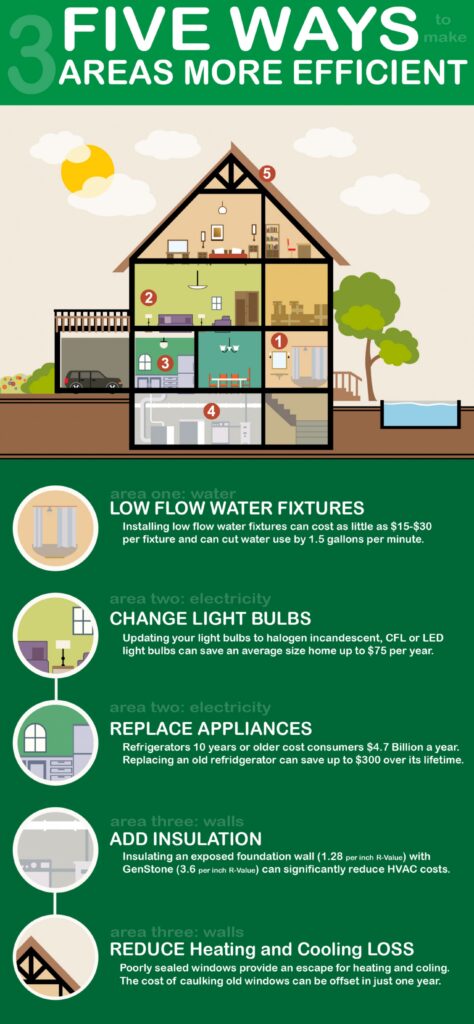
Manage energy usage in the kitchen
The kitchen is typically one of the most energy-intensive areas in a home. Implementing energy-saving practices can help reduce your energy consumption while cooking and preparing meals. Consider the following tips for managing energy usage in the kitchen:
Cook with lids on pots and pans
When cooking on stovetops, covering pots and pans with lids traps heat, allowing food to cook faster and more efficiently. By keeping the heat contained, you can reduce cooking time and the amount of energy required to cook your meals. This simple practice can make a difference in energy savings while still achieving delicious results.
Opt for energy-efficient cooking methods
Certain cooking methods are more energy-efficient than others. When possible, use smaller appliances like toaster ovens or microwave ovens for small meals instead of heating up larger ovens. Pressure cookers and slow cookers can also be energy-efficient options, as they require less energy to operate. Experimenting with these alternative cooking methods can help reduce energy consumption in the kitchen.
Use the microwave instead of the oven
Microwaves are often more energy-efficient than conventional ovens, especially for reheating or defrosting. Consider using the microwave whenever appropriate, as it typically uses less energy and cooks food faster. Reserve oven usage for recipes that truly require it. By making this small adjustment, you can conserve energy while still enjoying your favorite meals.
Avoid preheating when not necessary
Preheating the oven is not always necessary and can be a waste of energy. Unless a recipe specifically requires preheating, consider skipping this step. Ovens are designed to reach the desired temperature relatively quickly, and most foods can be cooked just as effectively without preheating. Embracing this habit can lead to notable energy savings over time.
Match pot size to burner size
Using a large pot on a small burner or a small pot on a large burner can result in energy wastage. Match the pot size to the burner size whenever possible, ensuring that heat is efficiently transferred to the pot and not wasted. This simple adjustment can optimize energy consumption while cooking and reduce cooking times.
Reduce phantom energy loads
Phantom energy loads, also known as standby power or vampire power, refer to the energy consumed by electronic devices when they are in standby or idle mode. These devices continue to draw power even when not actively in use, contributing to unnecessary energy consumption. Here are some measures you can take to reduce phantom energy loads:
Use power strips
Using power strips with an on/off switch is an effective way to easily control multiple devices. Plug your electronics into a power strip and turn it off when they are not in use. This eliminates standby power consumption and saves energy. Power strips provide a convenient way to power down devices that would otherwise be left on standby.
Unplug electronics when not in use
For devices that are not connected to power strips or those that are rarely used, unplug them completely when not in use. This ensures that they draw zero power and eliminates any potential phantom energy loads. Common culprits for phantom energy consumption include phone chargers, gaming consoles, and small kitchen appliances.
Enable power-saving features on devices
Many electronic devices come equipped with power-saving features that can reduce energy consumption in standby mode. Enable these features whenever possible to optimize energy efficiency. Features like sleep mode, power-off timers, and automatic brightness adjustment can significantly reduce phantom energy loads without sacrificing device functionality.
Choose energy-efficient chargers
Chargers for electronic devices can continue to draw power even when not actively charging. Opt for energy-efficient chargers that are designed to minimize idle power consumption. Look for chargers with ENERGY STAR certification or ones that have been specifically engineered for low standby power consumption. By making this small change, you can save energy while still keeping your devices charged.
Invest in smart power outlets
Smart power outlets or smart plugs allow you to control the power supply to your electronics remotely. With these devices, you can program schedules, turn devices on or off remotely, and monitor energy usage. Smart power outlets provide greater control over phantom energy loads and help you save energy by eliminating standby power consumption.
Add insulation to hot water pipes and tanks
Hot water is a valuable resource in any home, and properly insulating hot water pipes and tanks can improve energy efficiency and reduce heat loss. Here are some steps you can take:
Insulate hot water pipes
Hot water pipes that are not insulated can lose heat as they transport hot water from the heater to faucets and showers. Insulate hot water pipes using foam pipe insulation or insulation tape. This helps retain the heat within the pipes, reduce heat loss, and ensure that hot water reaches its destination at the desired temperature. Insulating hot water pipes is a relatively simple and cost-effective measure that can lead to noticeable energy savings.
Insulate your hot water tank
Insulating your hot water tank can further enhance energy efficiency by reducing standby heat loss. Many water heaters come with insulation already installed, but adding an extra layer can provide additional insulation benefits. Use an insulating blanket or jacket specifically designed for water heaters to minimize heat loss, improve energy efficiency, and keep your hot water hot for longer.
Lower the water heater temperature
Lowering the temperature on your water heater can help reduce energy consumption. Consider setting the temperature to 120°F (49°C) or lower, as this is sufficient for most household needs. Higher temperatures can not only lead to energy wastage but can also increase the risk of scalding. Lowering the temperature can be easily done using the thermostat on your water heater.
Install a water heater blanket
A water heater blanket is an insulation blanket specifically designed to wrap around your water heater and reduce heat loss. This additional layer of insulation helps keep the water inside the tank hot, reducing the frequency at which the water heater needs to reheat the water. Water heater blankets are relatively inexpensive, easy to install, and can provide significant energy savings.
Educate yourself and your family
Improving energy efficiency in your home is not just about implementing specific measures, but also about developing a long-term commitment to energy-saving habits. Educating yourself and your family on energy efficiency can lead to lasting changes and further reduce your energy consumption. Here are some steps you can take to promote energy education:
Understand energy bills and usage
Take the time to understand how your energy bills are calculated and what factors contribute to your energy usage. Familiarize yourself with the units of measurement, tariff structures, and any additional charges. Monitor your energy usage over time and analyze any patterns or trends. This knowledge can help you make informed decisions about your energy consumption and identify areas for improvement.
Practice energy-saving habits
Developing energy-saving habits is key to maintaining long-term energy efficiency. Encourage yourself and your family to turn off lights when leaving a room, unplug electronics when not in use, and adjust thermostat settings for optimal energy use. Make a conscious effort to reduce water usage, avoid wasting food, and recycle whenever possible. By practicing these habits consistently, you can significantly reduce your environmental impact.
Teach children about energy efficiency
Teaching children about energy efficiency can instill environmentally conscious habits from a young age. Explain the importance of energy conservation and the impact of their actions on the environment. Involve children in energy-saving activities, such as turning off lights and appliances, and encourage them to participate in conserving resources. By empowering children with knowledge and involving them in energy-conscious practices, you can foster a sustainable mindset.
Participate in energy-saving programs
Research and participate in energy-saving programs offered by your local utility company or government. These programs may include incentives, rebates, or discounts for energy-efficient appliances, home upgrades, or renewable energy installations. Take advantage of these opportunities to make energy-efficient choices more affordable and accessible. By actively engaging with these programs, you can further enhance your energy efficiency efforts.
Stay informed about energy-saving technologies
Stay up to date with the latest energy-saving technologies, products, and techniques. Educate yourself on emerging trends, such as solar panels, smart home devices, and energy management systems. Stay informed about energy-efficient building codes and regulations. By staying knowledgeable about advancements in energy efficiency, you can make informed decisions and continually improve your home’s energy performance.
Improving energy efficiency in your home is a journey that involves implementing various measures, adopting energy-saving practices, and staying committed to long-term sustainability. By following the steps outlined in this article and prioritizing energy efficiency, you can make your home more comfortable, reduce your environmental impact, and save money on energy bills. Start making the necessary changes today and enjoy the benefits of a more energy-efficient home.